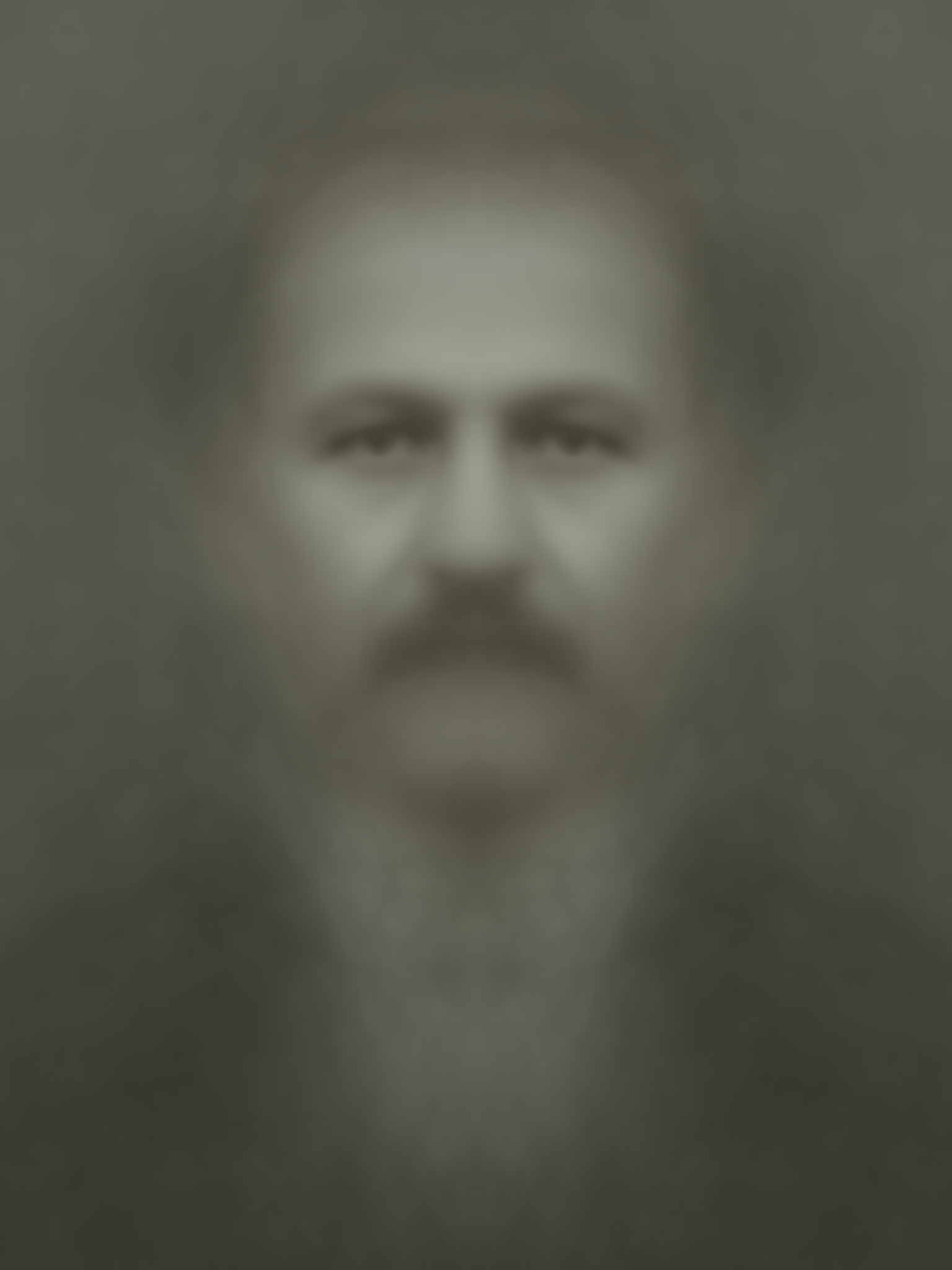
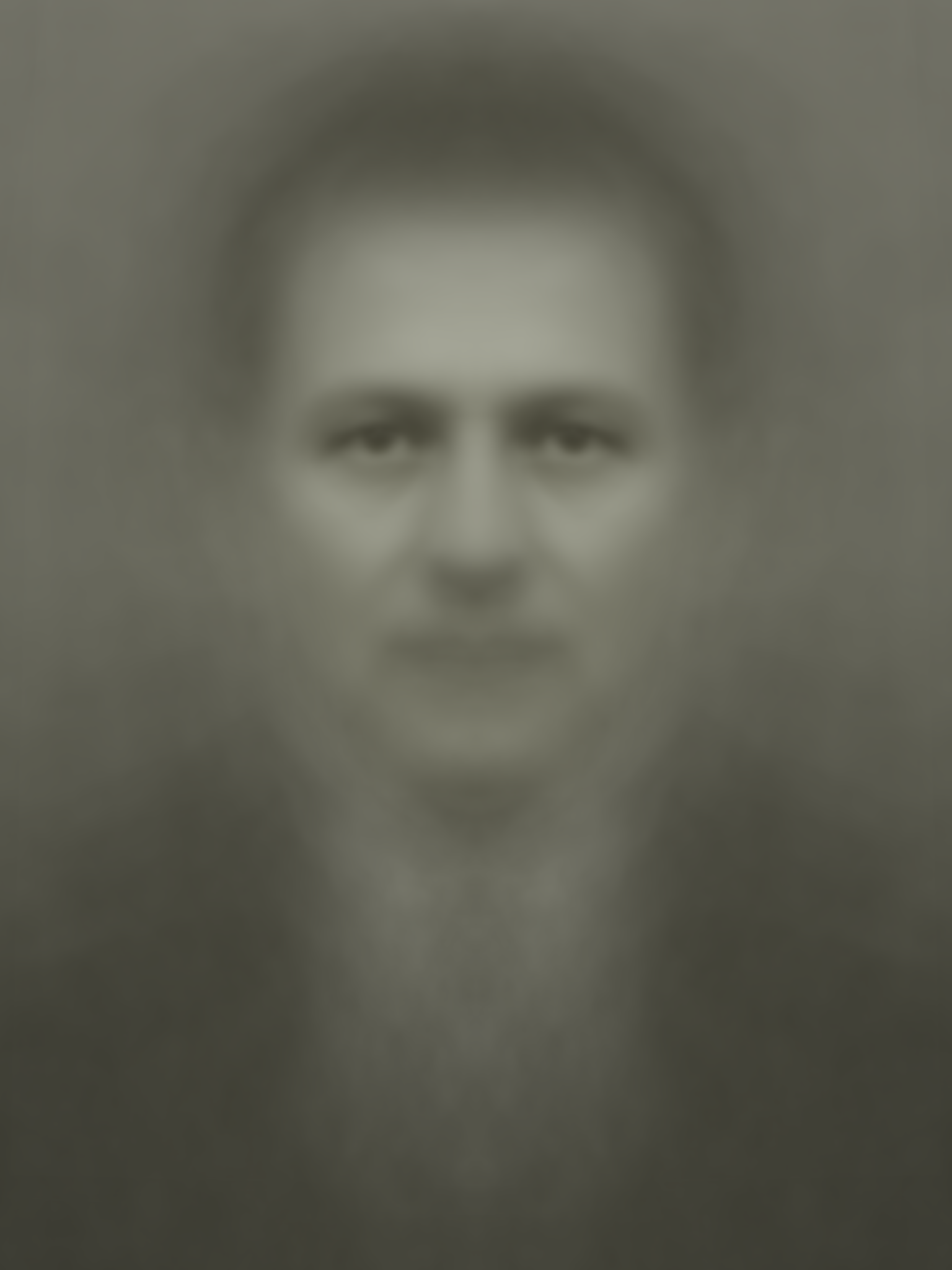
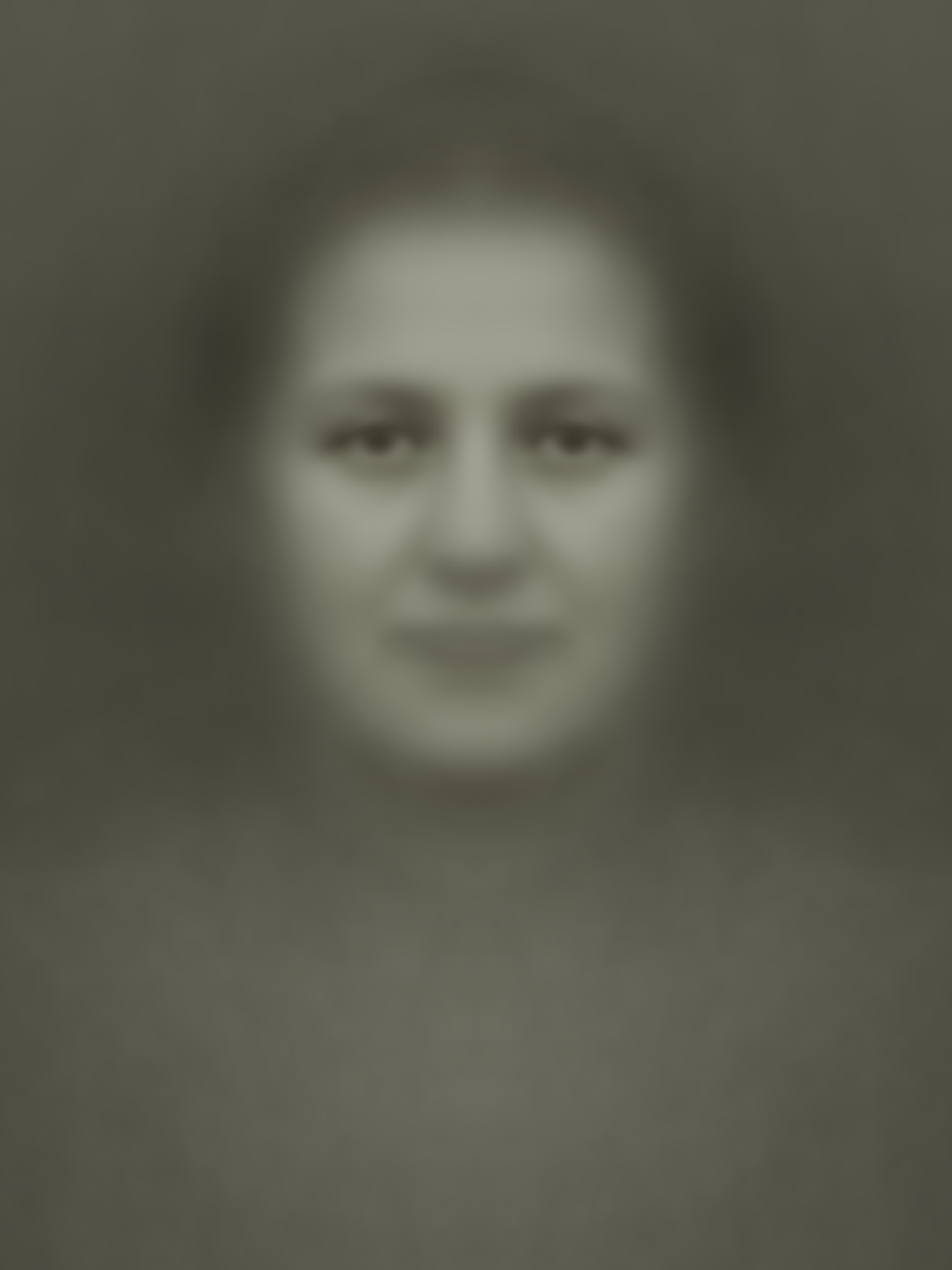
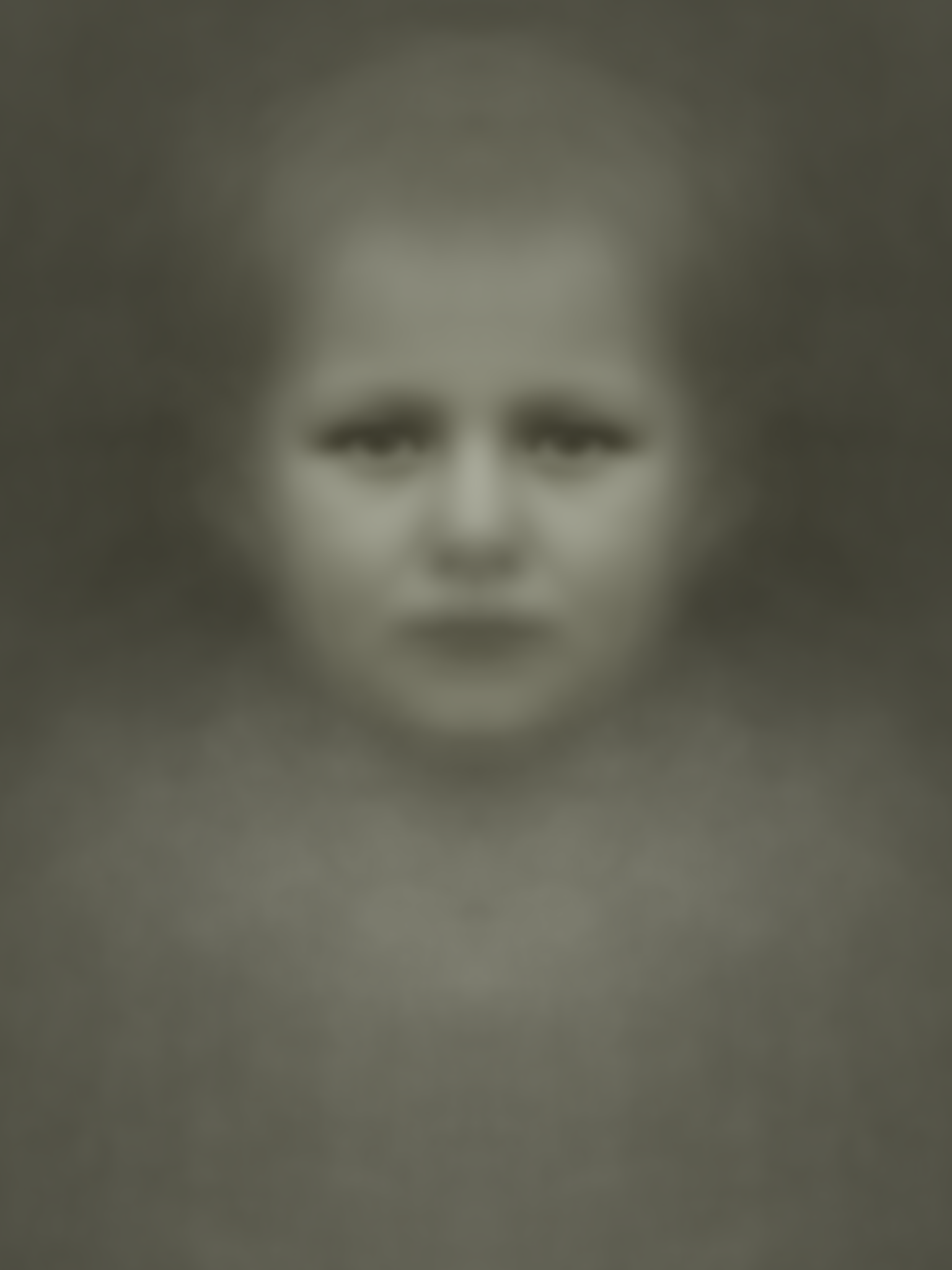
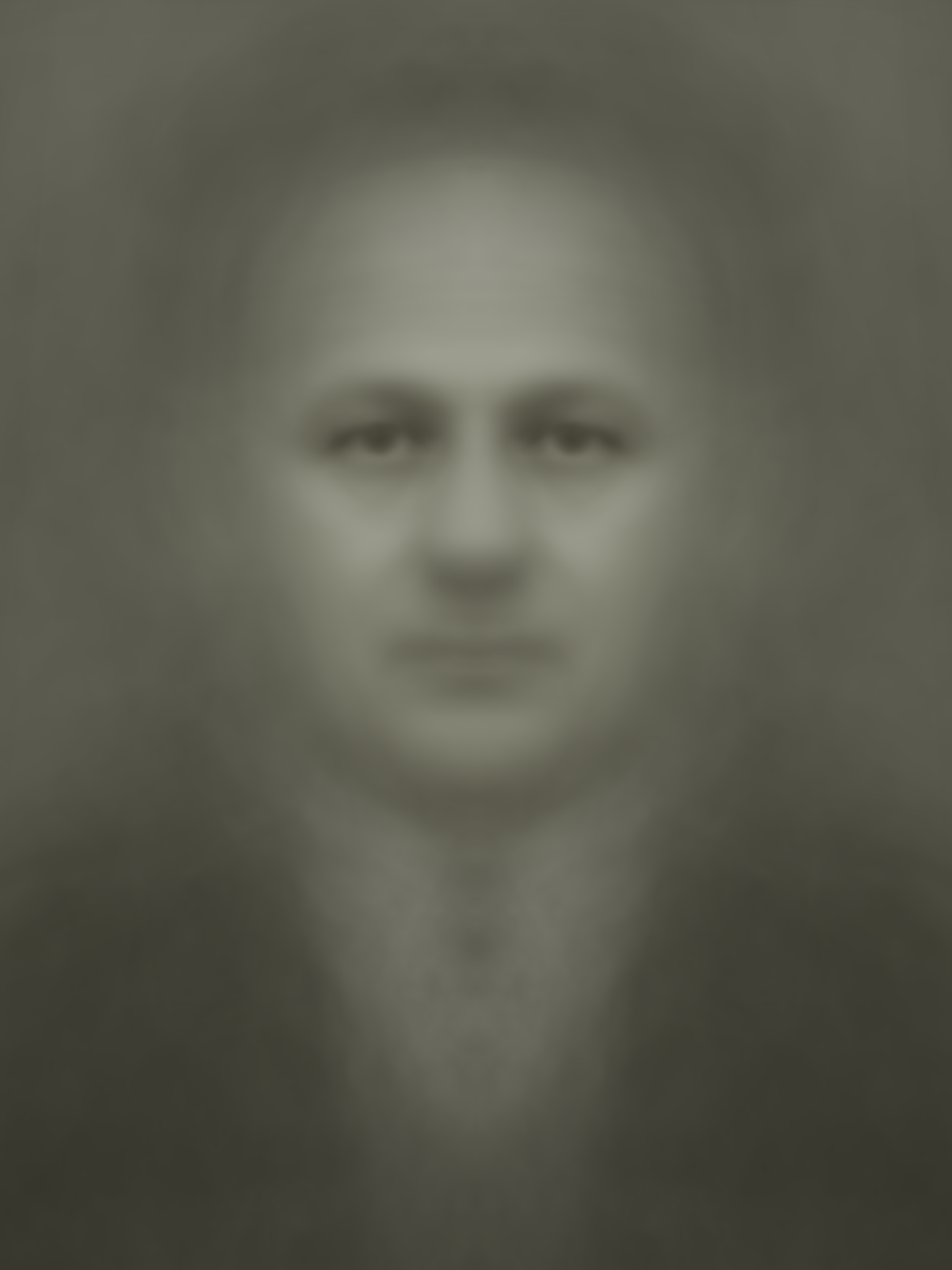
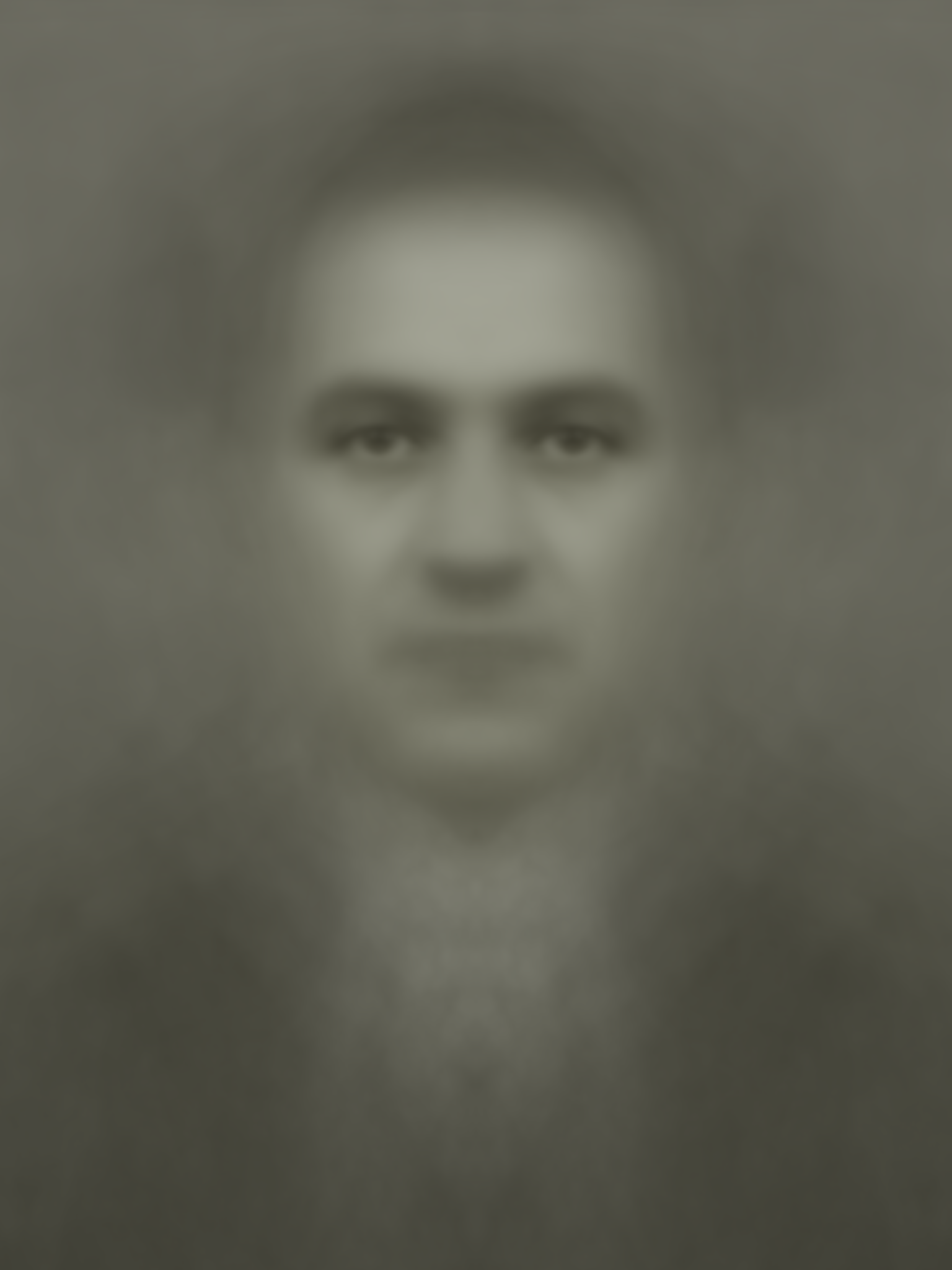
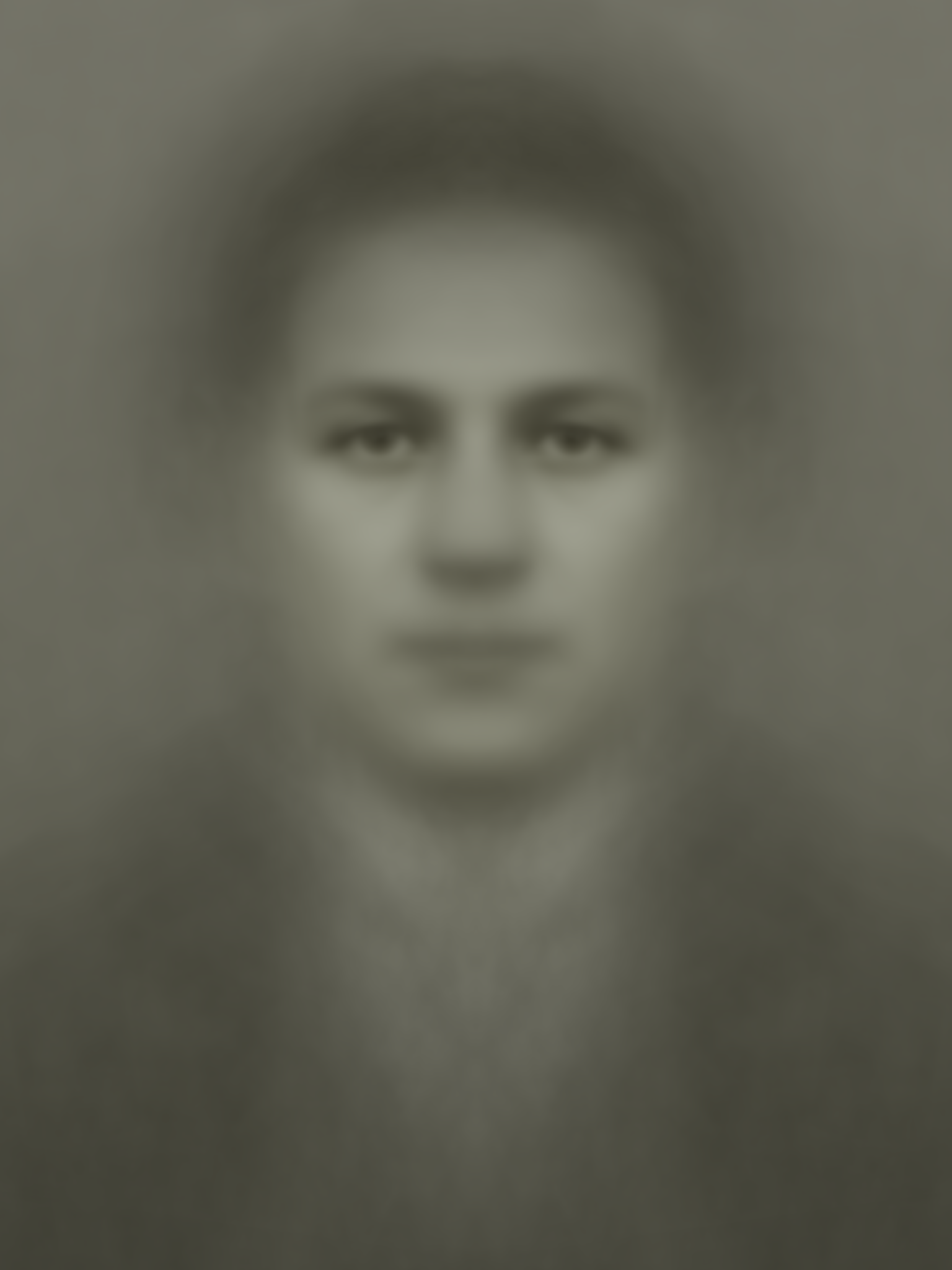
Ohne das Eigene investigates the classification and aggregation of portraits through machine vision. By recontextualising August Sander’s People of the 20th Century, the work examines the contemporary epistemology of the portrait and its function.
Using Sander’s archive, each photograph is converted into a numerical embedding of facial structures through machine learning. These representations enable unsupervised clustering of portraits based on statistical similarity, rather than social identity. Within each cluster, portraits are statistically aggregated into composite centroids, with Principal Component Analysis (PCA) used to model facial variation. The seven portraits do not index individuals; they register statistical commonalities, producing faces that dissolve individual identities into anonymous, affectless forms. Computational systems do not process historical or social context; only structural features become registered. The German term eigen, meaning “own”, is rendered paradoxical: the inherent “own” of the portrait is nullified through machine vision.
The work interrogates the shift in photographic representation from human-centred to machine-centred. By restaging Sander’s archive through computational classification, the portraits contrast traditional typologies with machine learning. Sander’s project was organised through lived experience and social identity, whereas machine learning classifies portraits solely on structural similarity derived from embeddings learnt from large-scale facial datasets. The portraits exhibit how machine vision recognises human appearance and indexes their repurposing within automated systems for the classification and standardisation of identity.